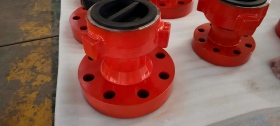
Well cementing in the oil & gas Industry
Well cementing is a critical operation in well construction. It helps maintain well integrity, isolate geological formations, supporting casing, and ensure safe and reliable operations.
Key objectives of well cementing
-Well integrity: supports the long-term integrity of the well.
-Zonal isolation: Helps prevent unwanted fluid migration between geological formations.
-Casing support: secures the casing and supports wellbore stability.
-Groundwater protection: proper cement placement helps protect shallow groundwater formations.
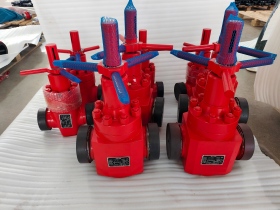
Key components:
-Casing: steel pipe installed in the wellbore.
-Centralizer: Helps position the casing correctly inside the well.
-Cement slurry: a specially designed mixture pumped into the well.
-Annulus: the space between the casing and the wellbore.
-Pressure monitoring: helps maintain operational control and identify abnormal conditions.

Main stages of cementing
-Casing installation
-Centralizer placement
-Cement slurry preparation
-Cement pumping and displacement
-Pressure and operational parameter monitoring
-Cement setting and evaluation.
Factors affecting cementing quality
Successful cementing depends on slurry design, casing centralization, fluid displacement, wellbore condition, pressure monitoring, and equipment reliability.
Poor cement placement can compromise zonal isolation and create well integrity challenges. Therefore, proper planning, technical knowledge, teamwork, and strict compliance with HSE requirements are essential.