
What really Happens on a Workover Rig after a BOP is Installed?
Once the blowout preventer(BOP) is in place, workover operations can safely proceed under controlled conditions. Every step is designed to maintain well control and protect the crew while handling tubing and rig equipment efficiently.
The steps include:
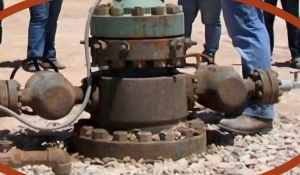
-BOP installation: Establishes the primary barrier against uncontrolled well pressure, making all subsequent operations possible.
-Hydraulic Hose Connections: Supply power to critical rig tools, enabling precise and controlled equipment operation.
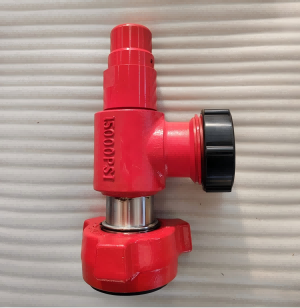
-Safety valves: Isolate pressure and protect personnel during tubing handling and connections.
-Power slips: Grip and hold the tubing string securely in the rotary, preventing unintended movement.
-Elevators: Lift, lower or suspend the tubing safely during tripping operations.
-Power tongs: Apply controlled torque to make up or break tubing connections without damaging threads.
-Connection preparation(Shaving/Cleaning): Ensures proper sealing surfaces, reducing the risk of leaks or connection failure.
-Rig floor stairs & access points: Allow safe crew movement, minimizing slip, trip, and fall hazards.
-V-door operations: Transfer tubulars efficiently from the pipe rack to the rig floor.
-Pulling 2 7/8” tubing: Core workover activity carried out step by step to maintain well integrity and safety.
Every action on the rig floor is coordinated, deliberate, and safety-driven. In workover operations, well control and crew safety are non-negotiable.