
Functions of Drilling Fluids
Functions of Drilling Fluids
-Cool and lubricate the bit and drill string
-Clean the hole bottom
-Carry cuttings to the surface
-Remove cuttings from mud at the surface
-Minimize formation damage
-Control formation pressures
-Maintain hole integrity
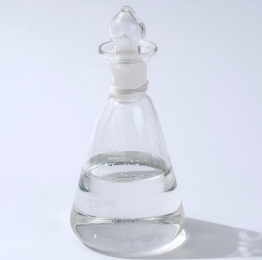
Types of Drilling Fluids
1, Water-based drilling fluids
Used in drilling operations due to their cost-effectiveness and ease of disposal. They can be further classified into two categories: water-based mud(WBM) and water-based polymer mud(WBPM).
2, Water-based Mud(WBM)
Consists of water, bentonite clay, and various additives. Bentonite clay provides viscosity and suspension properties to the fluid, allowing it to transport the cuttings to surface. Additives such as polymers and thinners are used to modify the fluid properties and enhance its performance. WBM is primarily used in shallow drilling operations and formations where the risk of formation damage is minimal.
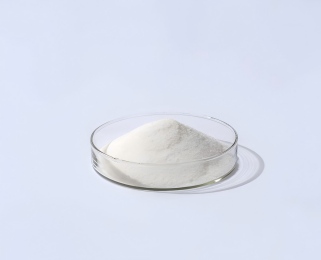
3, Water-based polymer mud(WBPM)
Water-based polymer mud is an advanced version of water-based mud that incorporates synthetic polymers into the fluid. These polymers enhance the fluid’s stability, lubricity, and shale inhibition properties. WBPM is commonly used in drilling operations where wellbore stability and shale control are crucial, such as in highly deviated wells or in formations with reactive shale.
4, Oil-based drilling fluids
These fluids offer several advantages over water-based fluids, including improved lubricity, higher temperature stability, and better wellbore stability in reactive formations. Oil-based drilling fluids can be further classified into three categories: low-toxicity oil-based mud(LTOM), invert emulsion mud(IE), and synthetic-based mud(SBM).
5, Low-Toxicity Oil-based Mud(LTOM)
LTOM is an environmentally friendly variation of oil-based drilling fluid that contains low concentrations of toxic additives. Designed to minimize the impact on the environment while providing the benefits of oil-based fluids. Used in environmentally sensitive areas or when strict regulations on drilling fluid toxicity are in place.
6, Invert Emulsion Mud(IE)
Invert emulsion mud is a stable emulsion of water droplets dispersed in a continuous oil phase. Offer excellent wellbore stability and lubricity, making them suitable for drilling in challenging environments. Invert emulsion mud is commonly used in drilling operations where reactive shales, high temperatures, or high-pressure differentials are encountered.
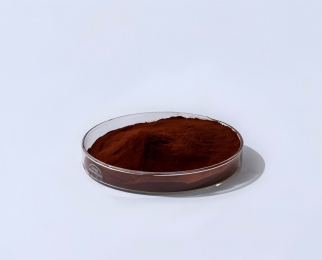
7, Synthetic-based mud(SBM)
Synthetic-based mud is formulated using synthetic hydrocarbon base fluids. These fluids offer superior performance compared to both water-based and oil-based fluids. SBM provides exceptional temperature stability, lubricity, and shale inhibition properties. Used in deepwater drilling operations in high-temperature environments.