
Difference between 13 5/8” BOP and 11”BOP
Which of the following is the best reason to select a 13 5/8” BOP instead of an 11” BOP for a drilling rig?
-To reduce equipment weight and improve transportation efficiency.
-To handle higher pressures and accommodate larger casing strings.
-To drill wells with extremely small hole sizes
-To reduce annual maintenance and inspection costs
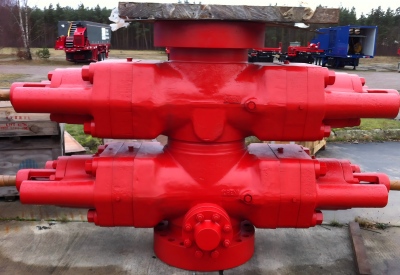
11” BOP
Key characteristics:
-Common working pressure: 5000-10000psi
-Widely used on onshore drilling rigs suitable for drill pipe sizes 4 1/2”, 5” and for casing such as 9 5/8”
-Lighter and easier to maintain compared to larger BOP stacks
Applications
-Medium-pressure land wells
-Rigs with limited hookload or BOP handling capacity
-Standard oil wells with simple casing programs
Advantages:
-Lower cost
-Reduced weight
-Faster servicing and simpler logistics
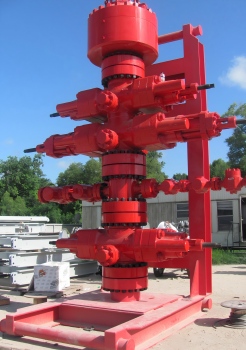
13 5/8” BOP
Key characteristics:
-Working pressure ranges: 5000psi, 10000psi, 15000psi
-Used for deeper, high-pressure, or complex wells
-Can pass larger casing strings such as 13 3/8” and 9 5/8” early in the well
Applications
-HP/HT wells(high pressure/high temperature)
-Deeper or offshore wells drilling rigs with higher horsepower(2000-3000+HP)
-Complex casing programs requiring larger diameters.
Advantages:
-Higher pressure containment capacity
-Greater flexibility for large-diameter casing
-Suitable for challenging high-risk drilling environments.