
What is a frac tree?
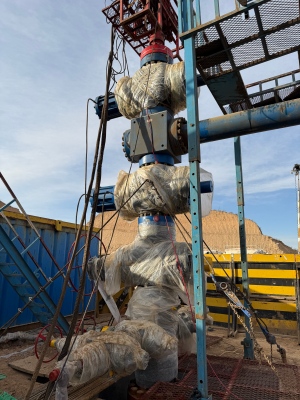
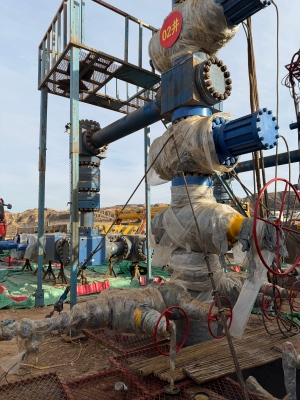
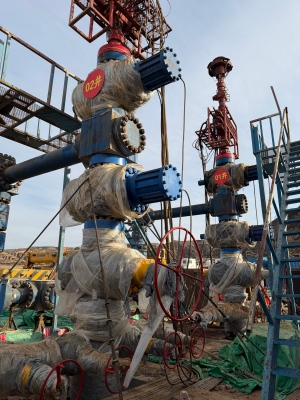
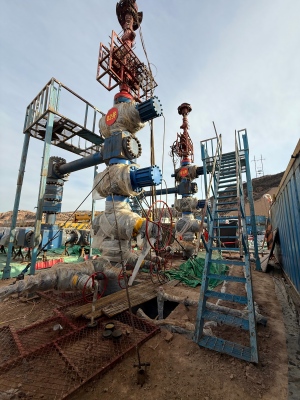
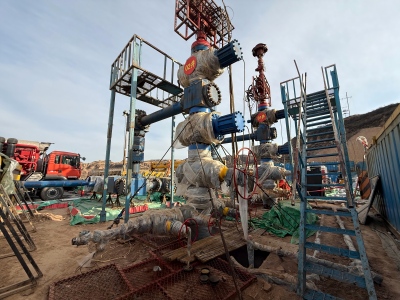
A frac tree(also called fracturing tree or frac stack) is a special type of wellhead Christmas tree installed specially for hydraulic fracturing operations. It is mounted on the wellhead during the frac job and removed or replaced by a production tree afterward.
Compared with a normal production tree, a frac tree has:
-Large bore to handle high flow rates of frac fluid and slurry
-Higher pressure ratings(typically 10000-20000psi or higher) for frac pumping pressures
-Higher requirements for corrosion resistance and fatigue resistance, suitable for multi-stage fracturing, cyclic pressurization, and H2S/CO2 corrosive environments.
-The frac tree is specially designed for short-term high-pressure fracturing and sometimes the production tree is switched back after the operation is completed.
Typical components
A frac tree typically consist of:
-Lower master tree
-Upper master tree
-Flow cross/cross-over
-Pump-down valves(for pumping frac fluid into the well)
-Flowback valves(for controlled flowback after the frac)
-Swab valve(for intervention/wireline operations)
-Frac head/goat head on top(connecting to frac manifolds and surface iron)
-Tree cap
Function during operations
During hydraulic fracturing, the frac tree:
-Provides pressure control at the wellhead
-Serves as the connection point for the frac manifold and high-pressure lines
-Withstands cyclic high-pressure, high-rate, often erosive, sand-laden flow
-Allows safe transition between pumping, wireline, and flowback